
Essential Steps to Ready Your Basement for Effective Insulation
Insulating your finished basement is an important step in making your home more energy-efficient. It helps maintain a comfortable temperature and reduces energy costs. But before you start the insulation process, there are crucial steps to take to prepare your basement properly. These preparations ensure that the insulation work is efficient and effective.
Understanding the Importance of Pre-Insulation Preparation
A well-prepared basement ensures the insulation performs at its best. Proper preparation prevents common issues like moisture buildup and ensures longevity. Without it, even high-quality materials might fail over time.
Assessing Your Finished Basement’s Current Condition
The first task is to evaluate the current state of your basement. Look for any signs of moisture, cracks, or other structural problems. Addressing these issues early can prevent future complications after basement insulation is complete.
Moisture Control Measures
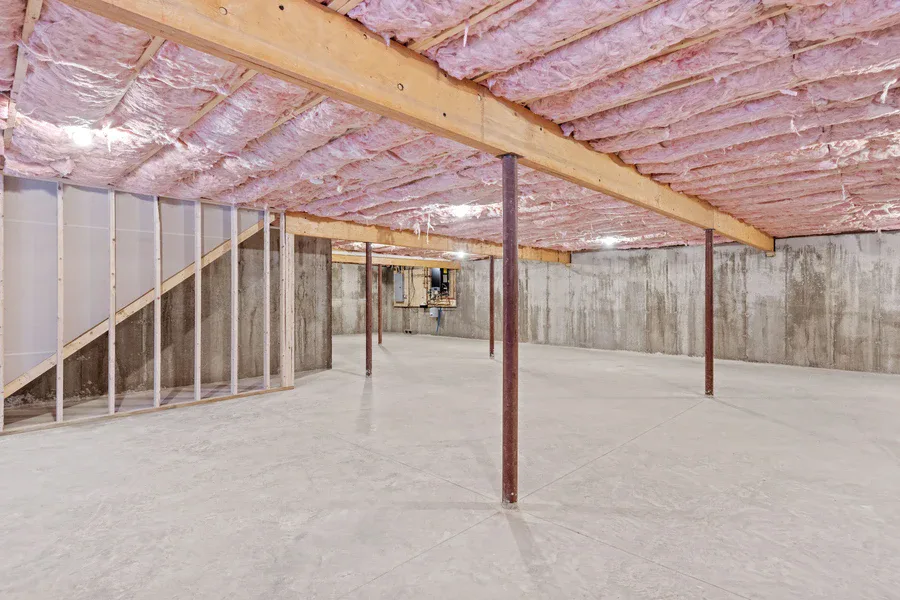
Moisture is one of the biggest threats to any insulated space. Ensure that your basement has no leaks or damp spots. Using dehumidifiers and waterproof paint can be effective ways to keep moisture levels in check.
Clearing and Cleaning Your Basement Space
A clutter-free basement allows for a smooth installation process. Remove furniture, storage items, and debris. Thorough cleaning ensures no dust or particles interfere with the insulation materials’ adherence.
Selecting Quality Materials for the Job
Your choice of insulation material significantly impacts performance. Consider factors like R-value, durability, and cost when selecting materials for your basement insulation project.
- Fiberglass: Known for affordability and ease of installation
- Foam boards: Excellent for moisture control
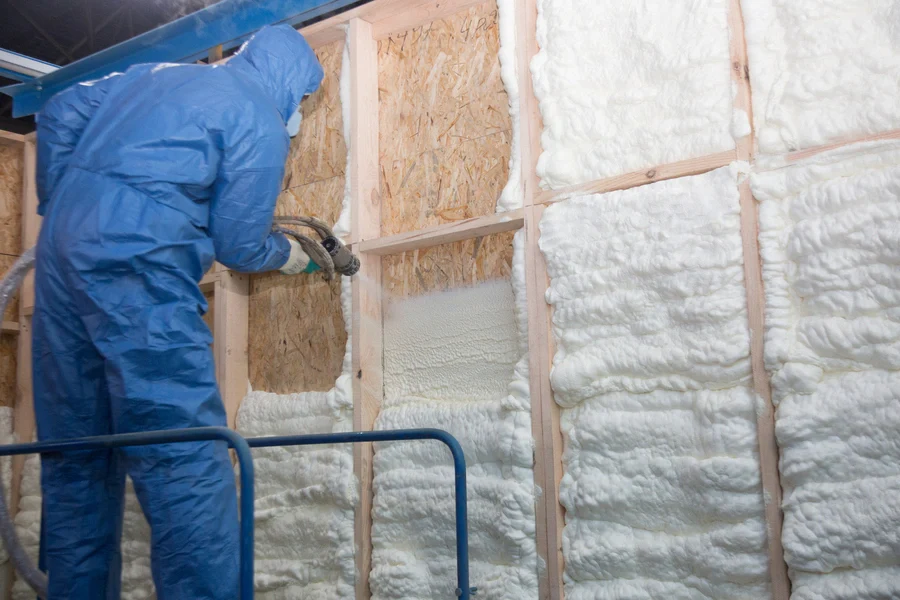
- Spray foam: Offers superior coverage but comes at a higher price
Engaging Professional Assistance Versus DIY Methods
While some may opt for a DIY approach, professional help often guarantees better results. Experts provide insights into the most suitable materials and techniques for your specific basement setup. They also ensure compliance with local codes and standards.
Necessary Tools and Equipment for Installation
Having the right tools makes the installation process smoother and safer. Essential equipment includes utility knives for cutting materials, staple guns for securing insulation batts, and safety gear like gloves and masks.
- Use utility knives to cut materials to size.
- Secure materials with staple guns to prevent shifting.
- Wear gloves and masks to protect against fibers and dust.
Cost Implications and Budget Planning
Prepare a budget that covers all aspects of the project including materials, labor (if hiring professionals), and potential repairs. Weigh the initial investment against the long-term savings on energy bills to understand the project’s value better.
Final Recommendations and Next Steps
Preparation is key for successful insulation projects. A well-prepped basement will enhance the effectiveness of the installed insulation. For personalized advice or professional services in this area, contact Second City Insulation LLC at (224) 253-5477. Our team serves clients throughout Aurora, IL, ensuring high-quality service every time.