Identifying Signs of Wear and Tear in Your Home’s Upper Layers
Ceiling insulation plays a crucial role in maintaining your home’s comfort and energy efficiency. Knowing when it’s time for an upgrade can save you from higher energy bills and discomfort. Many homeowners overlook the importance of keeping their insulation up to date, which can lead to problems like uneven heating or cooling, drafts, and increased utility costs. Understanding the signs that your insulation may need an upgrade will help you decide on the necessary steps to maintain your home’s comfort.
Signs That Indicate Insulation Issues
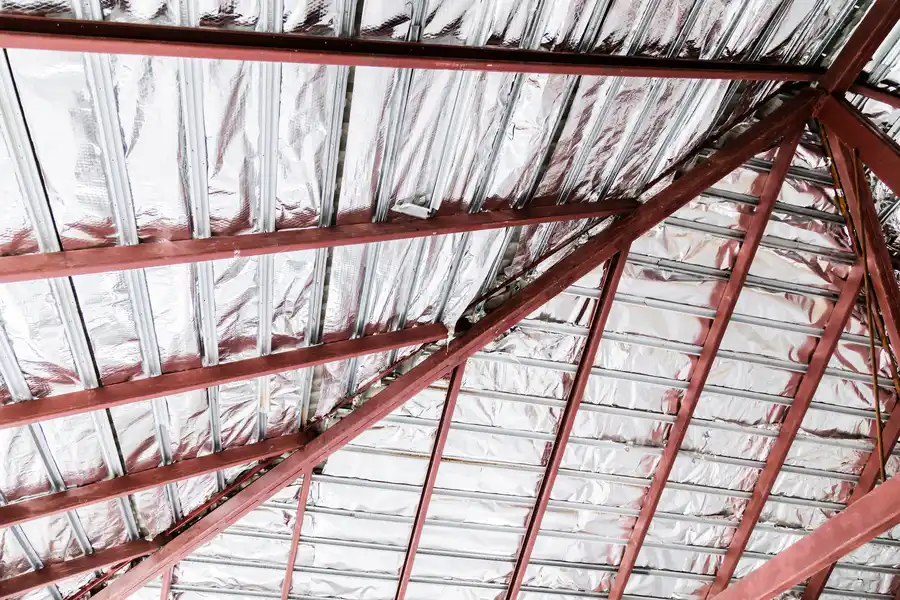
If you notice fluctuating temperatures in different rooms or experience drafts, it could be a sign that your ceiling insulation is failing. Poor insulation often leads to uneven temperature distribution within the home, causing some areas to feel colder or warmer than others. Similarly, an increase in energy bills without a corresponding change in usage might suggest that your insulation is no longer effective.
Inspecting for Physical Damage
Visible damage to your ceiling insulation, such as moisture stains or mold growth, indicates that it needs replacing. Water leaks can compromise the effectiveness of insulation material, leading to further issues like structural damage or health risks due to mold. Regular inspections can help identify these problems early.
Consider Age and Material Type
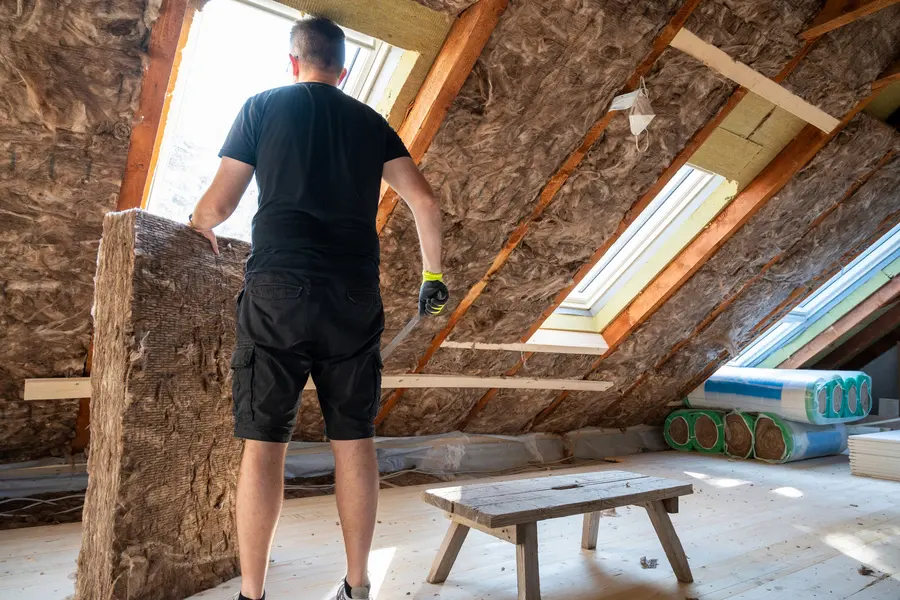
The age of your ceiling insulation matters. Older materials may not meet current standards for energy efficiency or environmental safety. Materials used decades ago degrade over time, reducing their insulating properties. Upgrading to modern materials can improve overall performance and contribute to a healthier living environment.
Benefits of Upgrading Insulation
Upgrading your insulation provides several benefits beyond just temperature control. It improves indoor air quality by preventing pollutants and allergens from entering your home. Energy efficiency increases dramatically with new insulation, potentially cutting heating and cooling costs significantly. Moreover, updated insulation contributes to sustainability efforts by reducing your carbon footprint.
- Improved indoor air quality
- Enhanced energy efficiency
- Lower heating and cooling costs
- Sustainability benefits
Steps to Evaluate Your Insulation Needs
Assessing whether you need an upgrade involves a few simple steps:
- Check for drafty areas or rooms with inconsistent temperatures.
- Look for physical signs of damage, such as water stains or mold.
- Consider the age of your home and its existing insulation material.
- Consult a professional for an energy audit to evaluate current efficiency levels.
Professional Recommendations for Insulation Upgrade
Experts recommend upgrading insulation whenever you renovate your home or after significant weather events that might have impacted its integrity. They advise selecting high-performance materials that comply with modern energy standards. Consulting a professional ensures that the chosen solution fits your specific needs while maximizing energy savings.
Evaluating Cost Factors
The cost of upgrading insulation varies based on factors like material type, labor charges, and the area needing coverage. While upfront costs might seem high, the long-term savings on energy bills offer substantial returns on investment. Opting for quality materials ensures durability and effectiveness, providing peace of mind and financial savings over time.
Your Next Steps With Expert Guidance
If you’re experiencing any of these signs, consider consulting professionals for an evaluation. At Second City Insulation LLC, we specialize in helping homeowners identify and address insulation inefficiencies effectively. Our team is ready to assist you every step of the way. Located in Aurora, IL, our experts are committed to ensuring your home remains comfortable year-round. Contact us at (224) 253-5477 for more information or to schedule an inspection today.